
Nesrin was born and raised in the Ashrafiyah neighbourhood of Aleppo. At the age of 22, she married a relative from the same neighbourhood and continued her life there. In her family, women traditionally did not work, and Nesrin had never been employed before.
The war first reached their neighbourhood with armed groups entering the area. At times, Nesrin and her family faced pressure and intimidation because of their ethnic identity. They lied to the militias about the community they belonged to, but even this did not change the situation.
One day, armed groups raided the neighbourhood. Nesrin immediately grabbed her child and fled the house in panic.
When Nesrin and her family wanted to leave the neighbourhood, the militia did not allow the family to return to collect their belongings. With two small babies, carrying no milk or diapers and only the clothes they were wearing, they set out on a long and uncertain journey toward the border.
After hours of walking, they reached the border area. Nesrin’s two-year-old son was able to cross with her brother, but she and her husband were forced to return to Syria. Twenty-five days later, they attempted to cross the border again.
When Nesrin finally reunited with her son, he froze in silence and did not speak for several days.
The family initially settled in İzmir, where local people supported them with household items and food. However, life remained difficult. Nesrin tried working at a citrus factory for a month, but the work was physically demanding and emotionally overwhelming.
Later, the family moved to Istanbul, where her husband was able to find work. Despite the support of neighbours, Nesrin struggled deeply with her mental health.
At one point, she and her husband were taken into custody due to a misunderstanding related to a phone line registered under their name. The family spent a year in a Removal Centre before a court decision confirmed their innocence.
During this difficult period, a neighbour introduced Nesrin to the Multi-Purpose Support Centre of the ADA Türkiye partner Human Resource Development Foundation (HRDF) co-funded by the EU and BMZ. There, she received psychological support in Kurdish, which played a crucial role in her recovery.
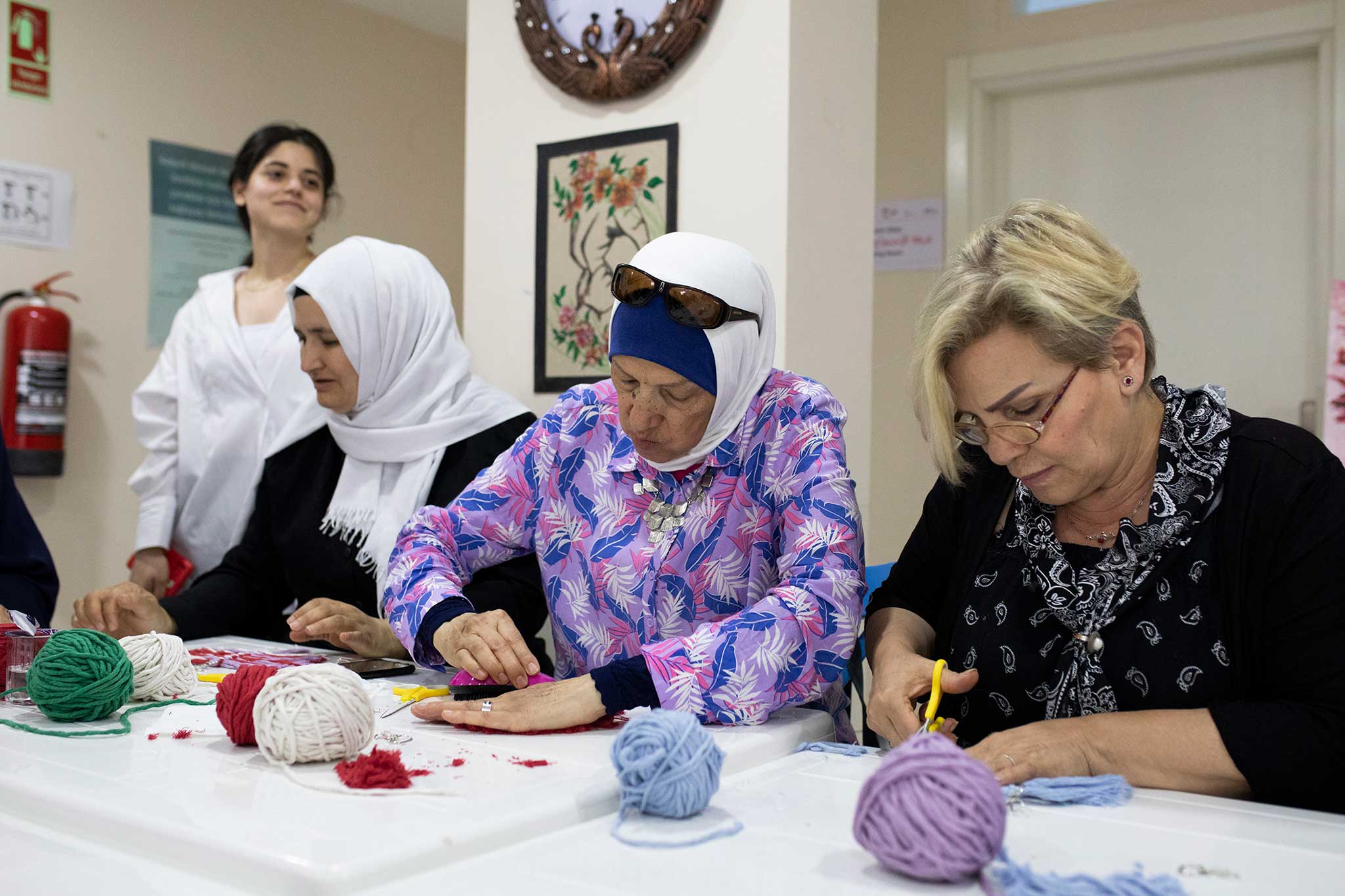
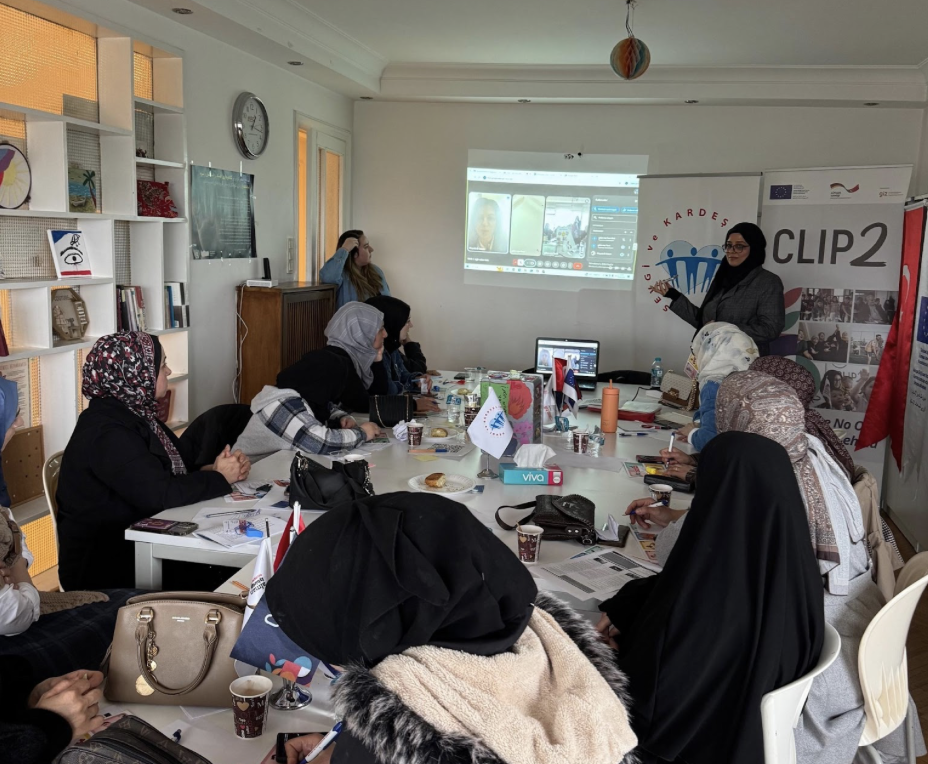
Nesrin later joined the Women’s Solidarity Programme (KADAP) and the Women’s Protection Module. After completing the KADAP trainer training programme, she became a trainer herself.
Today, Nesrin brings women together and leads sessions where she shares ways to rebuild confidence and emotional strength. She also takes on small jobs from time to time and says that working has become part of her healing process.
“Coming together with other women and sharing our experiences helped me regain my strength,” Nesrin says.
Through the support she received, Nesrin transformed her own experience of hardship into an opportunity to help other women facing similar challenges rebuild their lives.
Co-financed by the European Union Humanitarian Aid (DG ECHO) and the German Federal Ministry for Economic Cooperation and Development (BMZ), and implemented by the Deutsche Gesellschaft für Internationale Zusammenarbeit (GIZ), ADA Türkiye was established in 2021 to ensure long-term coordination and sustainable cooperation. To date, the initiative has reached over 120,000 people through protection services, provided earthquake-related assistance to approximately 31,000 individuals, and implemented over 3,000 activities to promote social cohesion between communities.