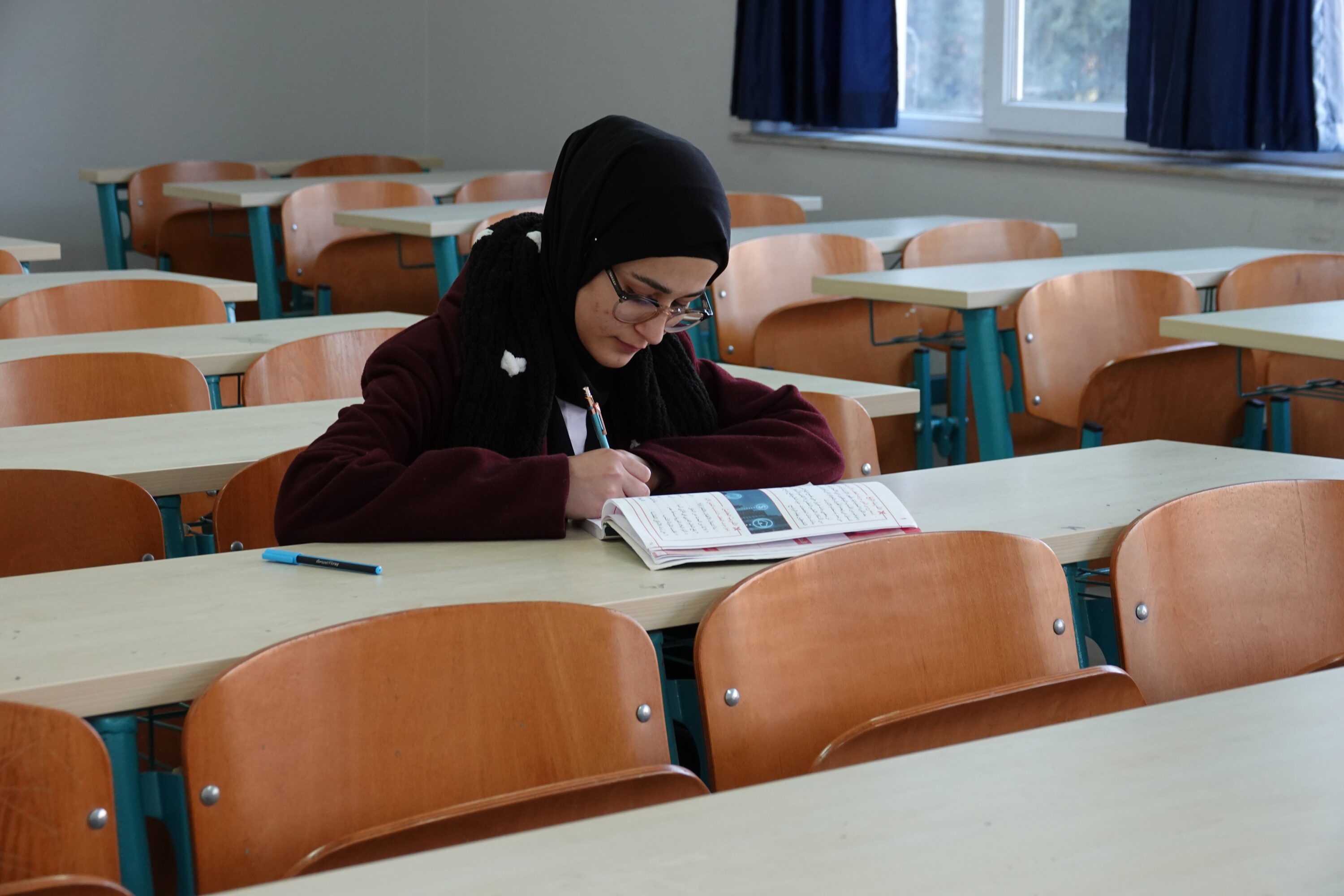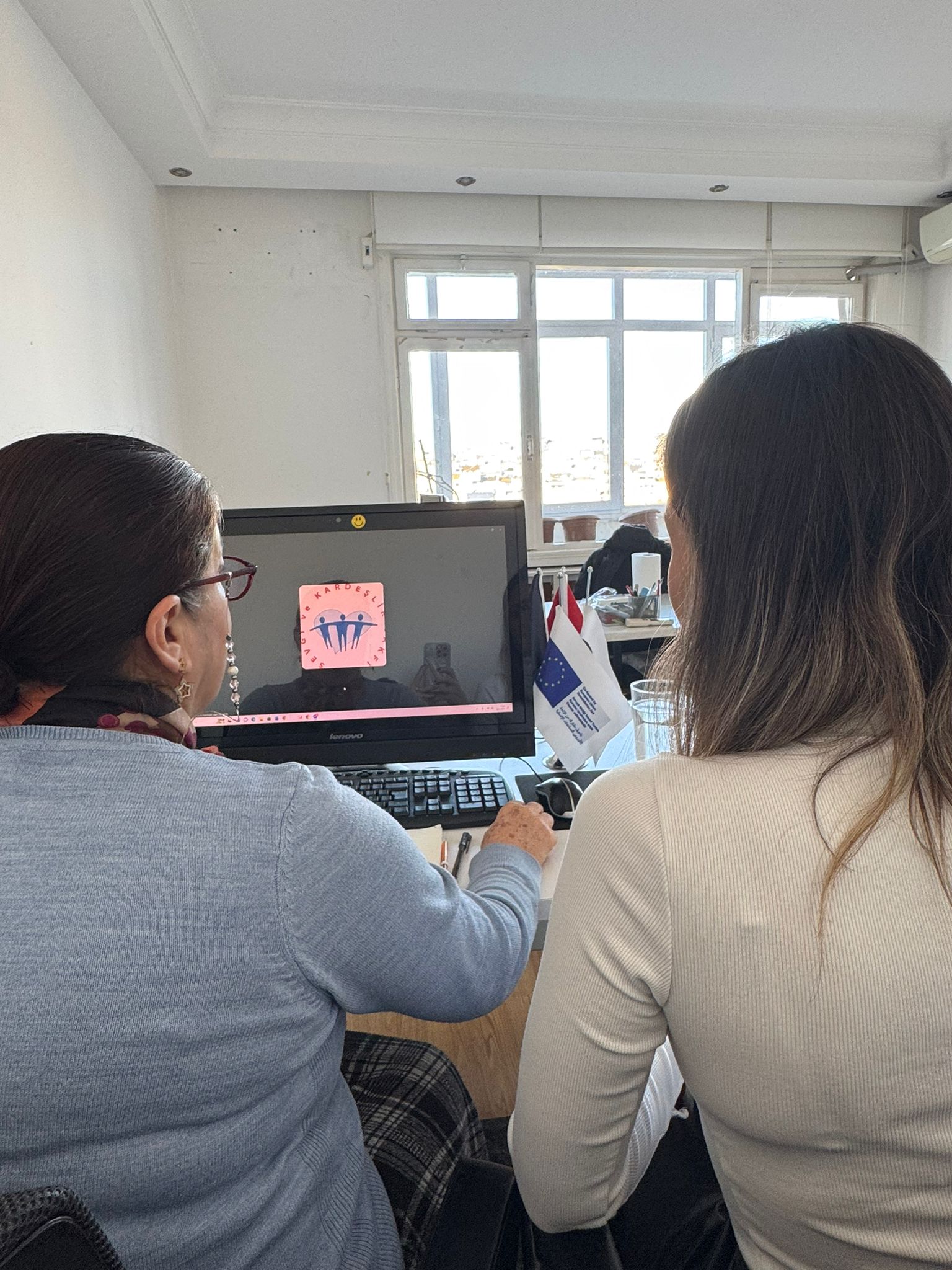
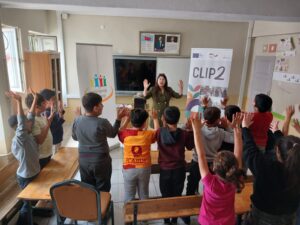
At the SGDD-ASAM Ankara Community Center, two complementary activities were organized for Iraqi and Syrian children and their parents. A Gender Equality Workshop for children and a Parenting Session on Transforming Gender Norms aimed to strengthen equality within families and encourage both children and adults to question gender stereotypes in everyday life.
Field observations and discussions with community members had shown that children may reproduce gender stereotypes through games, toys, colors, and daily interactions. Parents may also unintentionally communicate gender-based expectations through their language and behavior. For this reason, the activities were designed to address the same theme from two perspectives within the family rather than focusing only on children or adults.
Children Question Gender Stereotypes
During the children’s workshop, the concept of gender was introduced in simple, age-appropriate language. Visual materials, group discussions, and interactive activities encouraged children to express their ideas, ask questions, and share examples from their daily lives.
The workshop focused on stereotypes associated with girls and boys, equality, respect for differences, empathy, and non-violent communication. Children discussed the idea that toys, colors, games, and interests do not belong exclusively to one gender. They also received age-appropriate information on children’s rights and on seeking support from trusted adults when they feel uncomfortable or unsafe.
As the workshop progressed, some participants began to reconsider stereotypes they had initially expressed. Children increasingly emphasized that girls and boys should not be treated differently and developed a stronger understanding of equality, empathy, and respect for individual differences.
Parents Reflect on Everyday Practices
The parenting session explored the differences between biological sex, gender, and gender norms, with a particular focus on how these norms can be communicated to children through everyday family life.
Parents were encouraged to reflect on the language they use, the responsibilities they assign, choices around toys and activities, and different expectations they may hold for girls and boys. Participants shared examples from their own childhood and parenting experiences and discussed how routine behaviors can contribute to the formation of gender stereotypes.
By the end of the session, parents showed greater awareness of their role in promoting equality and expressed motivation to apply these insights in their daily interactions with their children.
Building Shared Awareness at Home
Addressing the same theme with children and parents created an opportunity for awareness to extend beyond the individual level and into family life. While children explored equality, respect, and stereotypes in age-appropriate ways, parents reflected on how their own communication and behavior influence their children.
This two-way approach supported the development of more inclusive and equal relationships within families, encouraged the questioning of gender stereotypes, and helped children build social relationships based on empathy and respect for differences.