R. is a 53-year-old Syrian woman living with her three daughters. She experienced serious difficulties accessing legal registration in Türkiye and applied to ADA Türkiye implementing partner SEVKAR co-funded by the EU and BMZ, for support.
SEVKAR did not approach R.’s situation merely as an administrative issue. During the meetings, R. and her daughters shared that they had been living a highly isolated life at home for a long time, unable to participate in social environments and therefore struggling to communicate with others. This situation revealed that the family needed not only legal assistance but also psychosocial support.
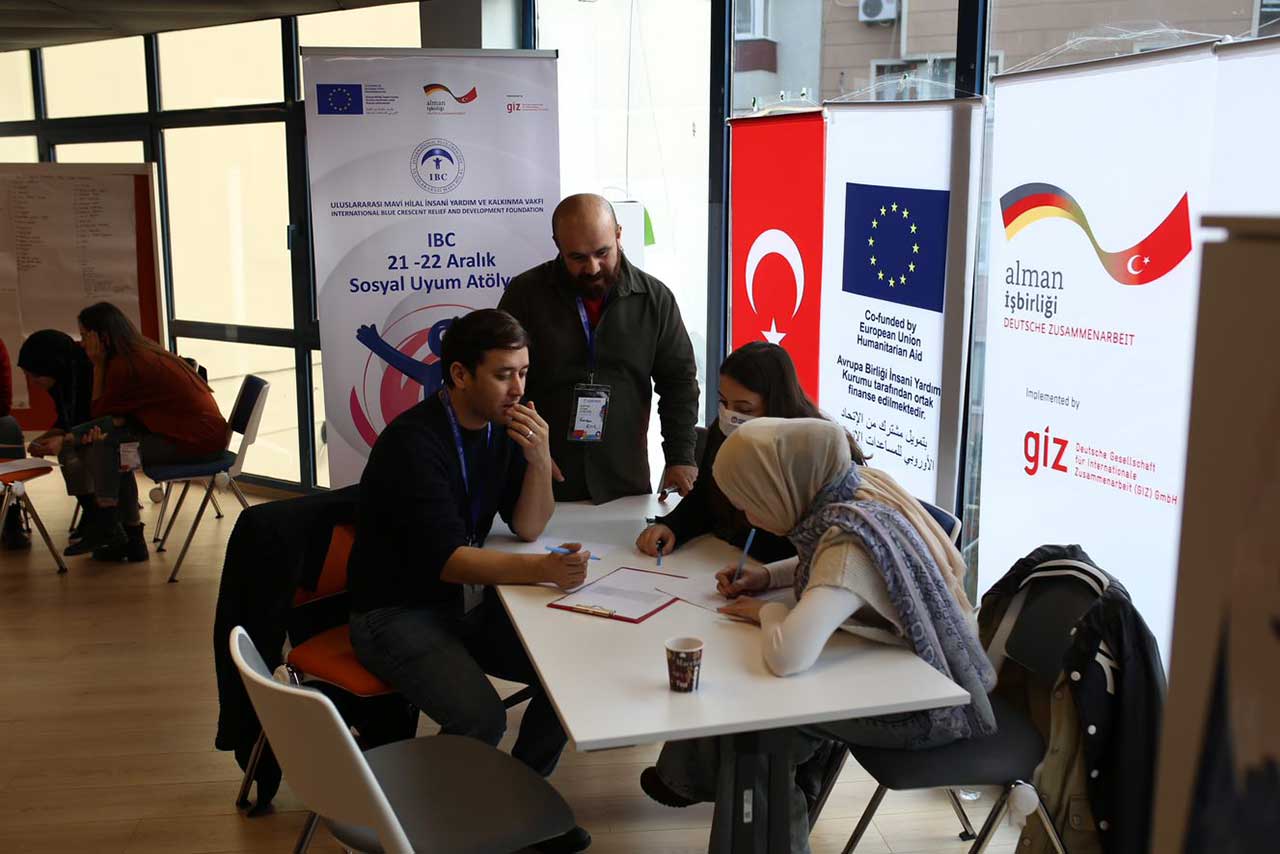
In response, SEVKAR included R. and her daughters in activities designed to strengthen their well-being, increase their social resilience, and help them reconnect with their community as part of the ongoing case management process.
Today, R. regularly attends women’s committee meetings. She speaks about the challenges faced by her community and contributes to discussions on possible solutions. She also shares that her daughters have become more comfortable communicating with others and have become less withdrawn thanks to community-based activities.
For R., who spends most of her daily life at home, visiting the SEVKAR office helps her feel stronger and more valued. Knowing that there is a support mechanism she can turn to whenever she needs gives her a sense of security and confidence.
R.’s story highlights how social support and community-based activities implemented by ADA Türkiye partner organisations can strengthen not only individuals’ access to rights but also their participation in social life and their overall well-being.
Co-financed by the European Union Humanitarian Aid (DG ECHO) and the German Federal Ministry for Economic Cooperation and Development (BMZ), and implemented by the Deutsche Gesellschaft für Internationale Zusammenarbeit (GIZ), ADA Türkiye was established in 2021 to ensure long-term coordination and sustainable cooperation. To date, the initiative has reached over 120,000 people through protection services, provided earthquake-related assistance to approximately 31,000 individuals, and implemented over 3,000 activities to promote social cohesion between communities.